Savyasachi Anju Prabir
August 2019
“Hello, I’m Savya and I record everyday videos, sounds and images. Sometimes I make films out of them and sometimes I just play them back to myself. I am primarily interested in the everyday mundane and its reflections/influences on the lives of people across generations, cultures and sexes. At present, I am interested in exploring the relationships between photography/film as a medium, as a mode of representation and as a form of public archive/documentation.”
Savyasachi Anju Prabir is an Indian artist working in the field of visual anthropology investigating ideas around identity, memory and personal histories. During his stay with us here in London he spent time doing research for his new film project concerning his own family history and their settlement in Mumbai as migrants after the Indian independence in 1947. His research explores the complexities of the diversity of south asian cultures and investigates ideas surrounding memory and storytelling through video, sound, photography and text.
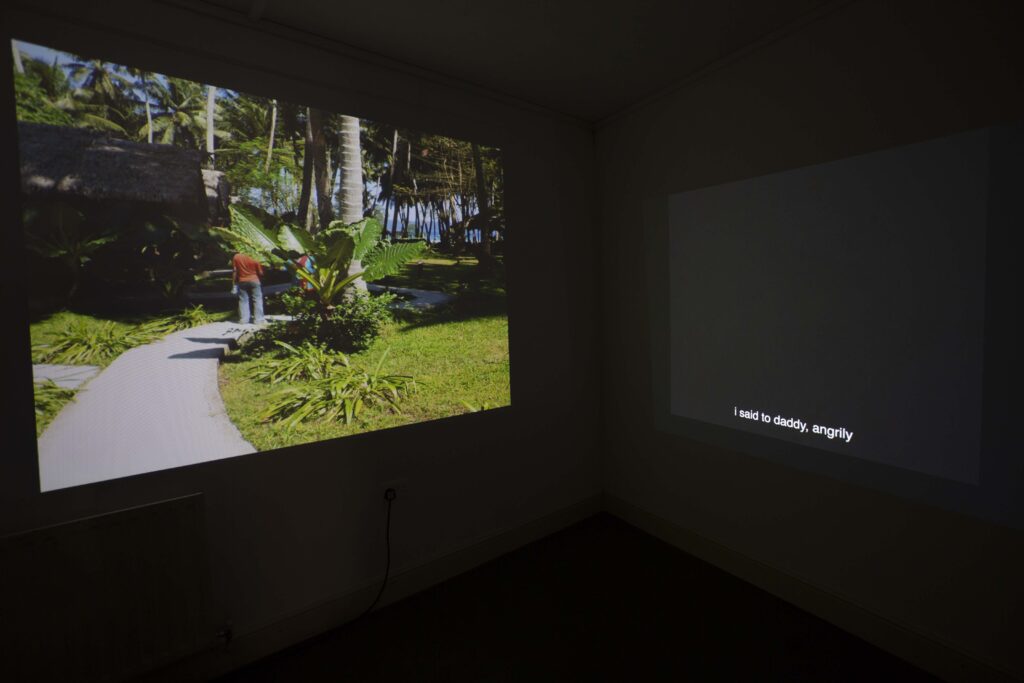
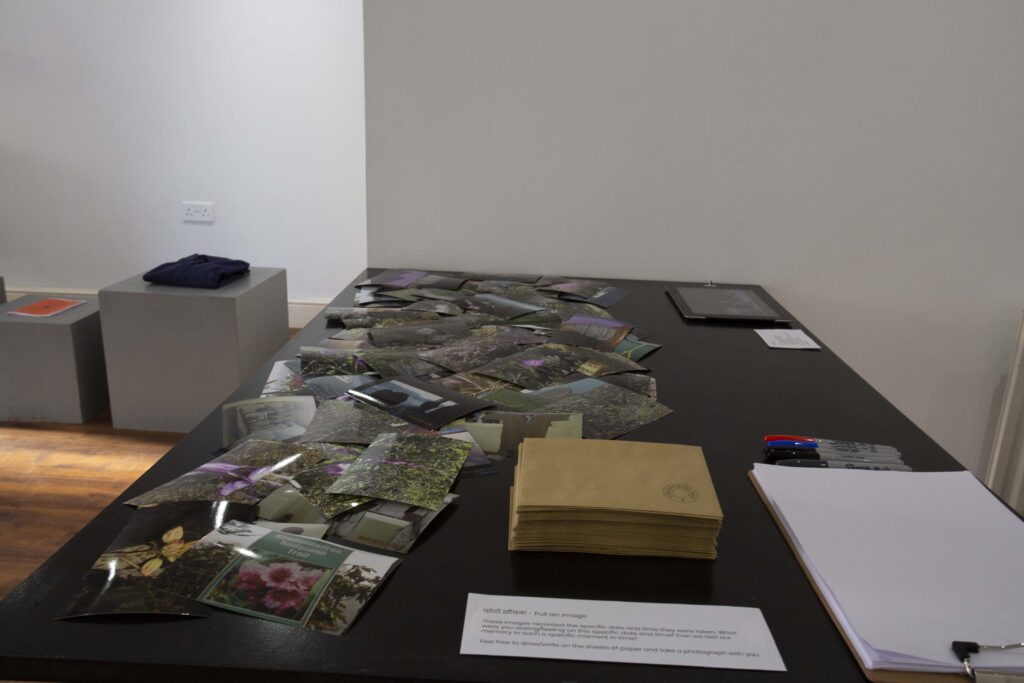
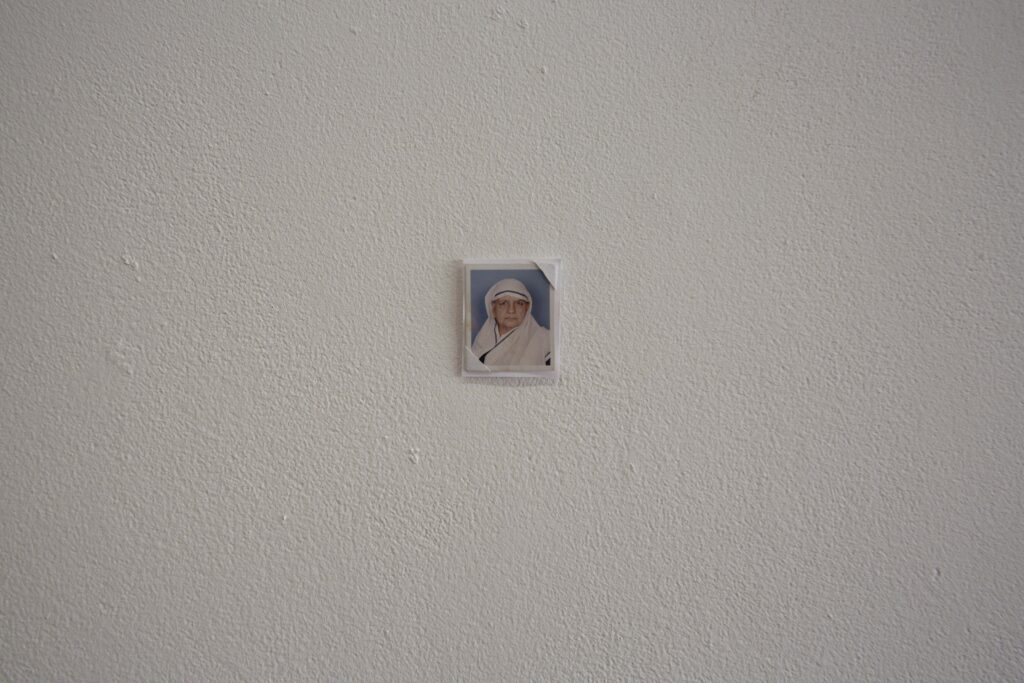
नानी घर was a public presentation comprising of videos, photos, objects and memories from Savyasachi’s archive.
Special thanks to HOXTON 253 art project space for hosting Savyasachi’s event.